

Your smartwatch is lying to you about your sleep
You wear it to bed, check the app in the morning, and feel like you have a handle on your health. But that data has huge holes in it and here's why.
See the difference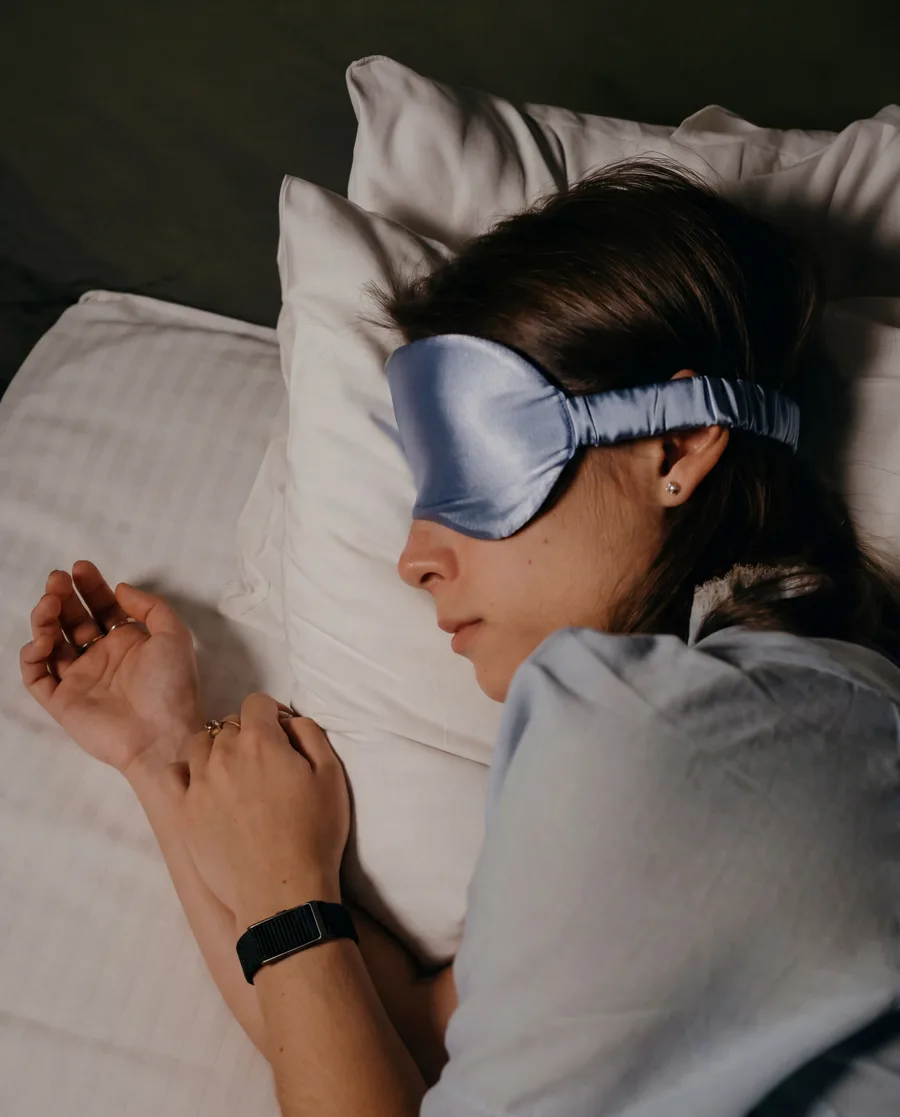
Your tracker isn't tracking you. It's tracking you when it has the battery to bother.
Most smartwatches last a day, maybe two. So at some point you take it off to charge. Do that at night and you lose your sleep data entirely. Do it during the day and you lose a window of activity and heart rate.
One missing night doesn't just leave a gap in your log it skews your averages, throws off your baseline, and quietly breaks every trend the app tries to show you.
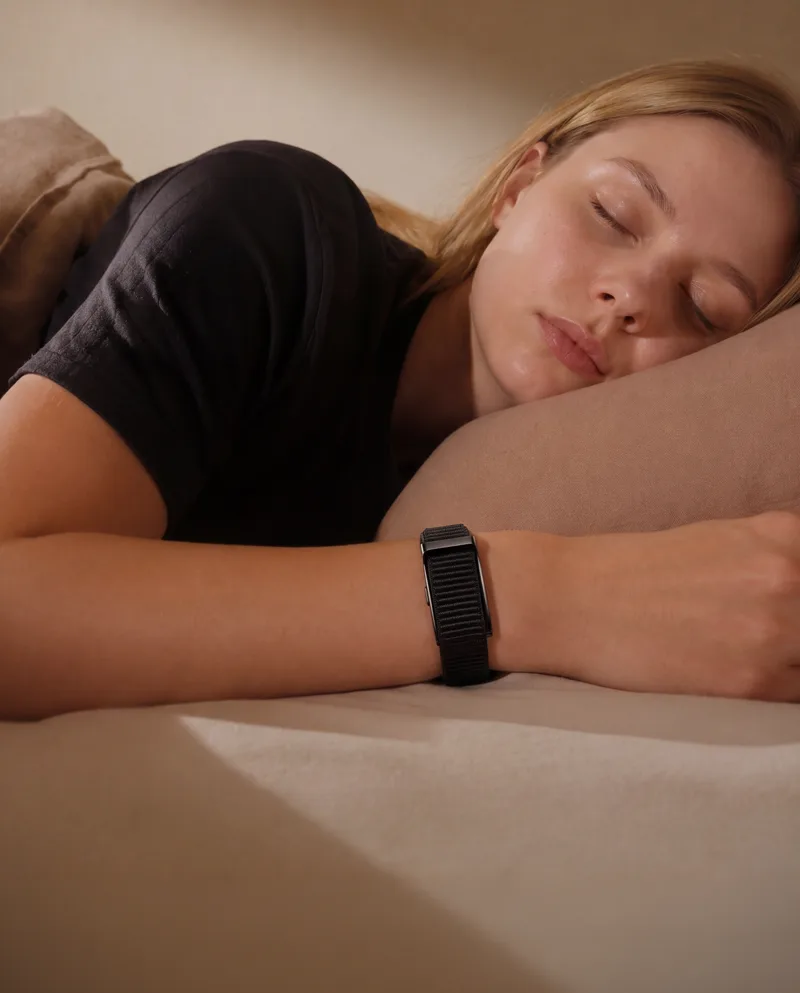
Sampled every few minutes. The rest is guessed by an algorithm.
Screens burn through battery fast, so most watches don't monitor your heart rate continuously they take a reading, then go quiet to save power. Your heart-rate variability, your stress response, the moment you slip from light into deep sleep: estimated, not recorded.
A reading every few minutes, with whole gaps while charging. A sketch, with most of the detail filled in by software.
An unbroken signal, every night nothing left to guesswork, nothing quietly missing.
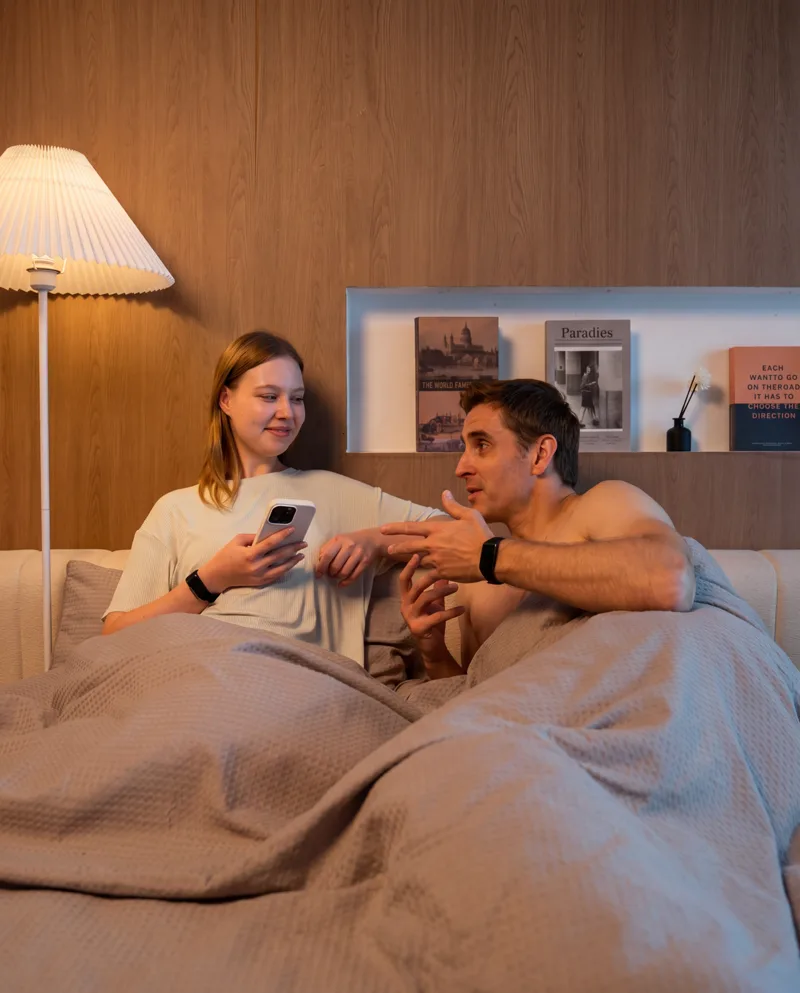
When the data has no gaps, the picture changes completely.
A baseline that's yours
Your body builds a baseline over weeks, so you can see what a genuinely good night looks like for you not the average person in a database.
Cause and effect
See how one late night affects your recovery two days later, and which of your habits actually move the needle.
Patterns you can't fake
Trends that only become visible when the data is unbroken the difference between a device that collects data and one that tells you something.
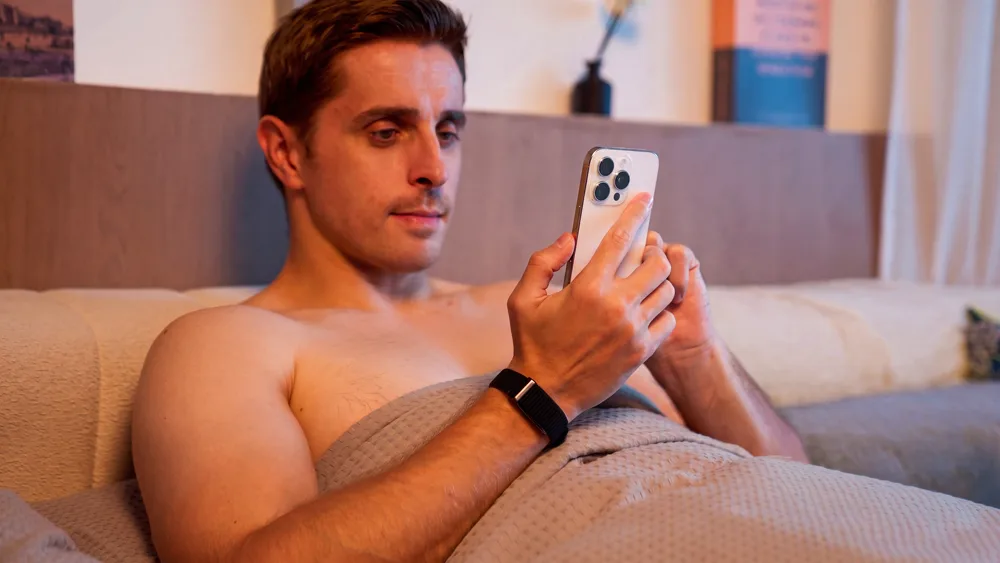
No nightly charging. No missing windows. No gaps in your baseline just unbroken data, every night, building a picture of your health that actually holds up.